

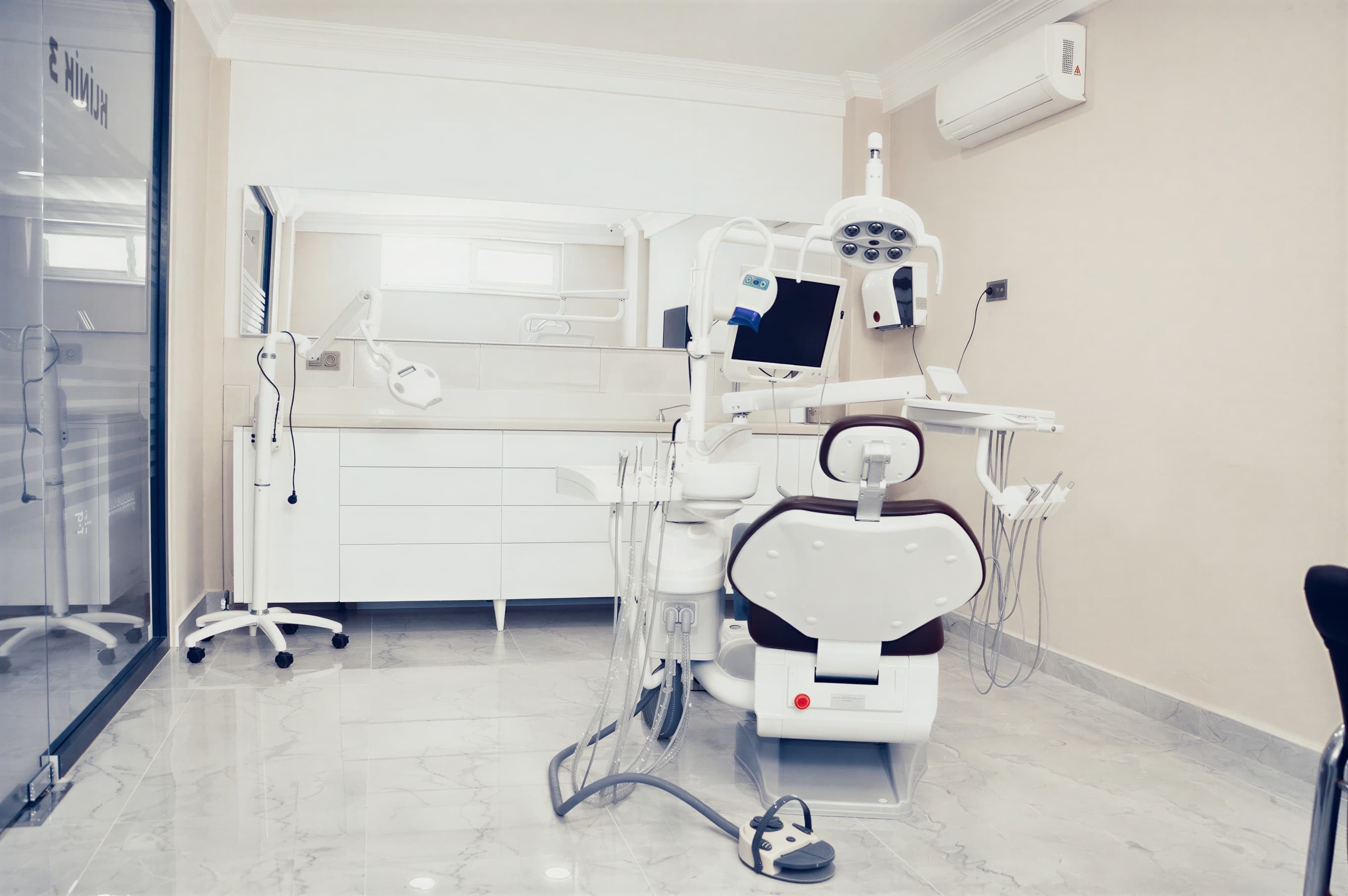
Root Canal Treatment
Saving infected or inflamed teeth by cleaning the root canal system and preserving the natural tooth.
What Are the Advantages of This Treatment?
Modern rotary instrumentation: advanced motor-driven canal systems allow the canals to be cleaned quickly, precisely and more safely than older hand-file approaches.
Your own natural tooth stays in place: when treatment succeeds and the tooth is restored properly, it can continue serving functionally for many years.
Rapid relief from throbbing pain: root canal treatment is often the decisive step that stops severe pulp pain and pressure.
Electronic apex control: modern length-measurement systems improve precision by helping us determine canal depth accurately.
Treatment Stages
Decay Removal & Anesthesia
After the area is numbed, the damaged tooth structure is removed and access is created so the infected canal system can be reached safely.
Microscopic Canal Cleaning
The pulp space is cleaned, shaped and disinfected with irrigating solutions and specialized endodontic instruments.
Biological Canal Sealing
Once the inside of the root has been thoroughly prepared, it is sealed with endodontic filling materials designed to block future leakage.
Frequently Asked Questions
How can I start root canal treatment at Side Shine?
You can begin by contacting our international patient coordinators by phone, email or through the website. Existing X-rays or photographs can be reviewed before an online or in-person consultation, and we can help organize the travel and appointment side of the process if you are coming from abroad.
Can I combine root canal treatment with other treatments or with a trip?
Yes. Many international patients combine endodontic treatment with other dental procedures or with time in Istanbul. Scheduling depends on the urgency of the tooth and the broader treatment plan.
How should I care for the tooth after root canal treatment?
Most patients return to normal routine quickly, but softer foods are usually advisable at first and it is wise to avoid biting hard objects on the treated tooth until the final restoration is complete. Brushing, flossing and follow-up visits remain essential.
Is root canal treatment safe and effective?
Yes. Root canal treatment is a standard procedure worldwide and can be highly successful when it is done carefully and followed by proper restoration and oral hygiene.
What happens if I delay or avoid root canal treatment?
An untreated pulp infection can worsen over time and may lead to severe pain, swelling, abscess formation and ultimately tooth loss. Early treatment often prevents much more invasive procedures.
How do I know whether I need a root canal?
Typical warning signs include persistent throbbing pain, prolonged hot or cold sensitivity, swelling, tooth darkening or a pimple-like fistula on the gum. Examination and radiographs confirm the diagnosis.
Is root canal treatment painful or uncomfortable?
With modern local anesthesia, treatment is usually much more comfortable than patients expect. In fact, its main purpose is to eliminate the severe pain caused by pulp infection.
Does root canal treatment make the tooth fragile?
A root-treated tooth can become more brittle over time, especially if it has already lost significant structure. That is why a crown or another protective restoration is often recommended after treatment in heavily weakened teeth.