Zirconia Crowns
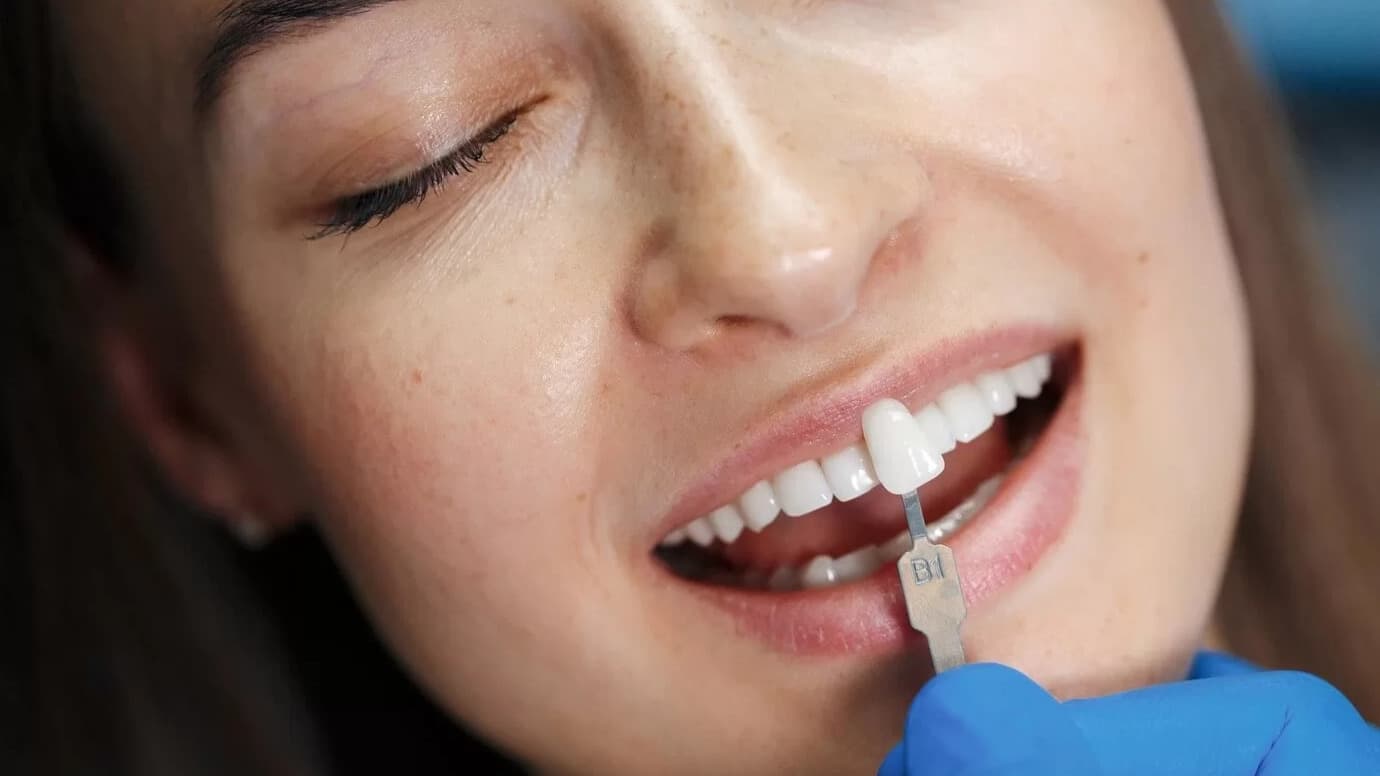
Metal-free restorations with strong durability and light transmission close to natural enamel.
What Are the Advantages of This Treatment?
Natural enamel-like translucency: zirconia reflects and diffuses light in a much more lifelike way than older opaque crown systems.
No metal allergy concern: because the material is metal-free and highly biocompatible, it is an excellent option for patients who want to avoid metal frameworks.
Thermal insulation support: zirconia acts as an effective barrier against hot and cold transfer and can help reduce sensitivity compared with traditional metal-backed restorations.
Excellent gum compatibility: when planned and fitted well, zirconia supports a clean pink gum line without the dark edge associated with some older systems.
Treatment Stages
Tooth Preparation
Under local anesthesia, the tooth is reduced carefully and conservatively so the zirconia restoration can seat accurately.
Precise Impression
A detailed analog or digital impression is taken, often with intraoral 3D scanning, and transferred to CAD/CAM production.
Framework Try-in
The zirconia substructure is tested on the tooth to confirm precise fit before final layering or finishing.
Final Processing & Bonding
Once the final anatomy, surface texture and shade are completed, the restoration is fixed permanently using long-term dental bonding materials.
Frequently Asked Questions
Do zirconia crowns become yellow or change color over time?
No. Zirconia surfaces are highly polished and non-porous, which makes them very resistant to staining from coffee, tea, wine or smoking. With proper care, they preserve their brightness extremely well.
How many days does zirconia crown treatment take?
Many cases are completed within five to seven working days across two or three appointments. The first stage is preparation and impression-taking, then the framework is tried in, and finally the completed restorations are placed.
Will I feel pain during zirconia crown treatment?
The preparation stage is performed under local anesthesia, so patients should not feel pain during the tooth shaping process. Later try-in and bonding visits are usually comfortable and often require little or no anesthesia.
How durable are zirconia crowns?
With good oral hygiene and regular check-ups, zirconia crowns can remain stable and esthetic for many years, often well beyond a decade. Their fracture resistance is one of the reasons they are used in both front and back teeth.
Will zirconia create a dark gray line near my gums?
No. That issue is associated more with old metal-based restorations. Zirconia is metal-free and much better suited to preserving a natural-looking gum line.
What is the difference between zirconia and traditional porcelain crowns?
Traditional porcelain crowns often rely on a metal substructure, while zirconia crowns are metal-free. This improves light transmission, reduces the risk of visible dark margins and offers superior biocompatibility for many patients.
Will I have sensitivity to hot or cold after treatment?
Zirconia is an excellent thermal insulator. Some short-lived sensitivity may occur immediately after preparation, but this usually settles quickly.
Is zirconia suitable for people with metal allergies?
Yes. Because it does not contain allergenic metals such as nickel, chromium or cobalt, zirconia is a highly suitable restorative option for patients who prefer to avoid metals.
Is having zirconia treatment in Turkey cost-effective?
Turkey often offers zirconia treatment at a considerably lower cost than many Western countries while still providing access to modern clinics, CAD/CAM production and high-grade materials.
What should I pay attention to after getting zirconia crowns?
Daily brushing, flossing, professional cleaning and avoiding harmful habits such as biting very hard objects are the key points. If you clench or grind at night, a night guard can also help protect the restorations.