Pediatric Dentistry
Child-focused dental care with a gentle, reassuring and prevention-oriented approach.
What Are the Advantages of This Treatment?
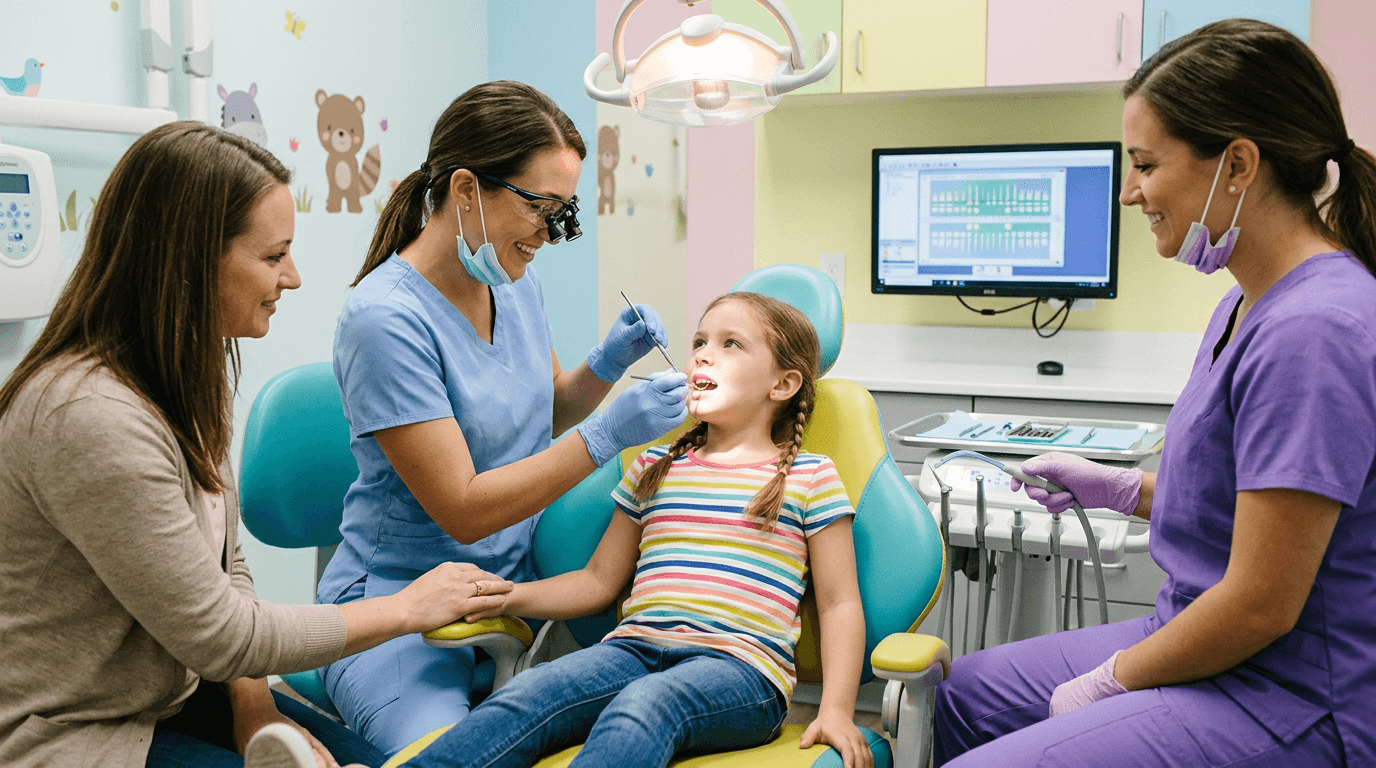
Psychological preparation first: we often spend time on introduction, explanation and adaptation before any real treatment begins so fear can be reduced gently.
Gentler alternatives and child-oriented comfort: modern topical and child-sensitive approaches help make treatment much easier for anxious young patients.
Colorful motivation tools: making treatment choices playful can dramatically improve cooperation and confidence.
Strong preventive focus: fluoride and fissure sealants help protect vulnerable grooves before decay develops.
Treatment Stages
First Visit & Familiarization
The first session does not always have to involve treatment. It is often used to help the child get to know the clinic, the team and the environment in a safe and calm way.
Preventive Care
Gentle cleaning, fluoride support and protective sealants can be carried out according to the child’s age, risk level and cooperation.
Restorative Care with Reassurance
If decay or damage is present, treatment is planned with a child-friendly pace and clear communication to protect both comfort and trust.
Frequently Asked Questions
Baby teeth will fall out anyway. Why should they be treated?
Primary teeth are essential guides and space maintainers for the permanent teeth developing underneath. When they are lost too early because of decay or infection, the permanent teeth may erupt in the wrong position and later orthodontic problems become more likely.
At what age should my child first see a dentist?
The first visit is ideally planned around the time the first baby tooth erupts, often between six and twelve months of age. Early introduction supports preventive care and helps the child become comfortable with the dental environment.
My child is very afraid of the dentist. What can you do?
We use tell-show-do communication, step-by-step trust building and a non-threatening introduction to the environment. In many cases, simply changing the tone and pace of the first visits makes a major difference in how the child responds.
Do you use injections or anesthesia in children?
When anesthesia is needed, it is approached with child comfort in mind. Topical numbing support and gentle delivery techniques are used to reduce fear and discomfort as much as possible.
What is a fissure sealant, and why is it important?
A fissure sealant is a thin protective coating placed in the grooves of back teeth where brushing cannot always reach effectively. It helps reduce the risk of decay in these vulnerable areas and is a simple preventive procedure.
Is professional fluoride treatment safe for children?
Yes. When fluoride is used professionally and appropriately, it is a well-established preventive measure that helps strengthen enamel and reduce the risk of decay.
What filling materials are used for children?
Child-friendly restorative materials such as suitable composite or glass ionomer options are selected according to the tooth and the child’s needs. The focus is on safety, function and making the experience manageable.
Is Side Shine suitable for families coming to Turkey with children?
Yes. Pediatric appointments can be planned in a way that fits the family’s travel schedule, and a child-friendly clinical approach helps make treatment much easier for families visiting from abroad.